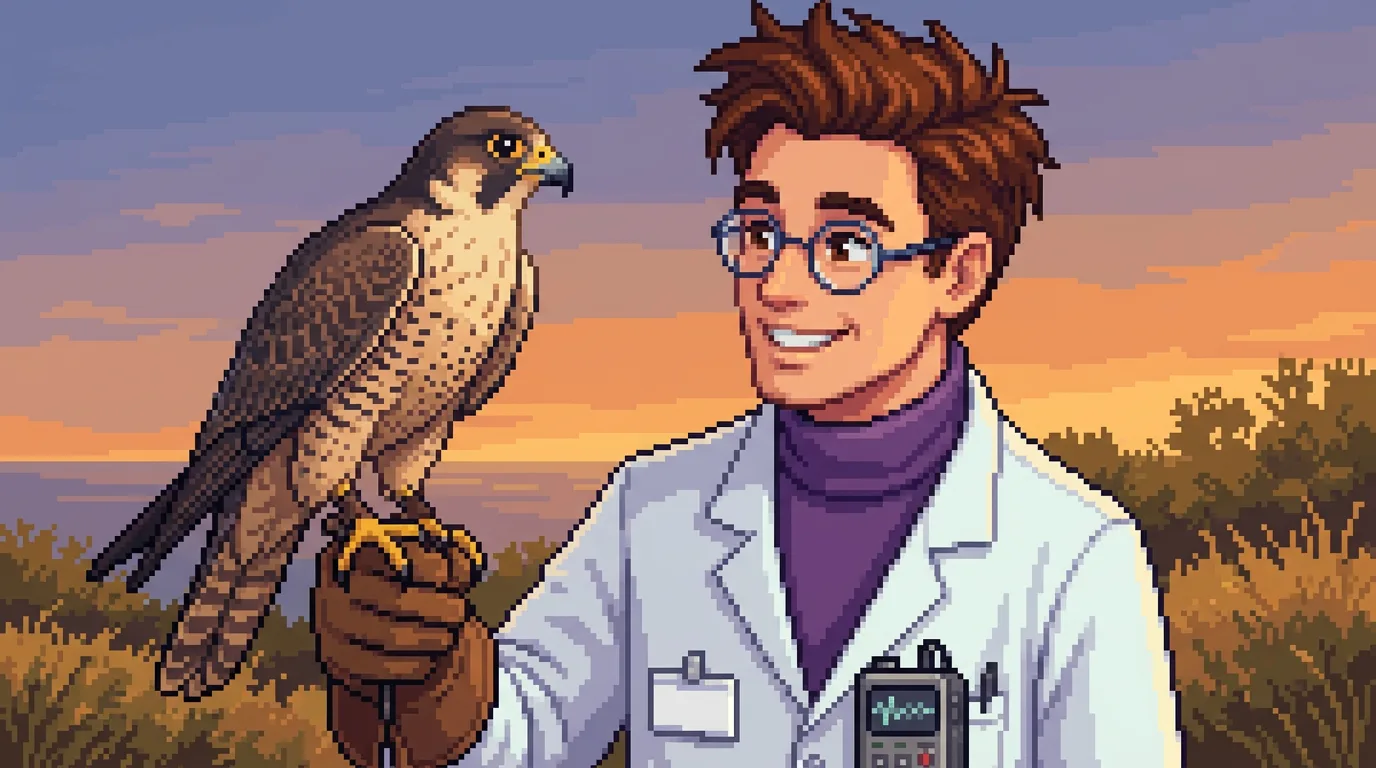
Falcon Language Translation
Principal ML Scientist behind the Falcon translation platform at Google and WeLocalize — the origin story for cybernetic systems.
Before transformers changed everything, translation at global scale was a stubborn coordination problem. How do you help fifty-thousand-plus professional translators, working across fifty-plus nations, do their best work with the machine models of the day? I spent those years as a Principal ML Scientist building the Falcon platform at Google and WeLocalize, an industrial-scale translation system from the pre-transformer era: statistical models, careful feature engineering, and human-in-the-loop feedback cycles that made the translation better every time a person corrected the machine.
That last part turned out to be the whole lesson. The system got smarter not when the model got bigger, but when human expertise and machine capability learned to teach each other.
The insight crystallized at NVIDIA GTC in 2015. Andrew Ng stood on stage and showed neural machine translation outperforming the best statistical systems we had. I was in the audience, and something I’d been feeling for years snapped into focus. The future wasn’t AI replacing human translators. It was AI amplifying them. Cybernetic systems: human and machine fused into something neither could manage alone.
That idea became the seed of nearly everything I’ve built since. The Lattice Protocol’s federation model, the aDNA knowledge architecture, the rare disease hackathon format where clinicians and AI work shoulder to shoulder as teammates, all of it traces back to watching neural MT work and understanding that the real power lived in the collaboration, not the automation. Falcon taught me scale. GTC taught me vision. The combination sent me to Stanford.
I keep this project marked archived because that chapter is closed, but the thread runs straight through to the present. The same question I was asking about translators, how do people and machines make each other better, is the one I’m still asking about patients, researchers, and clinicians today.